
When Care is Counted
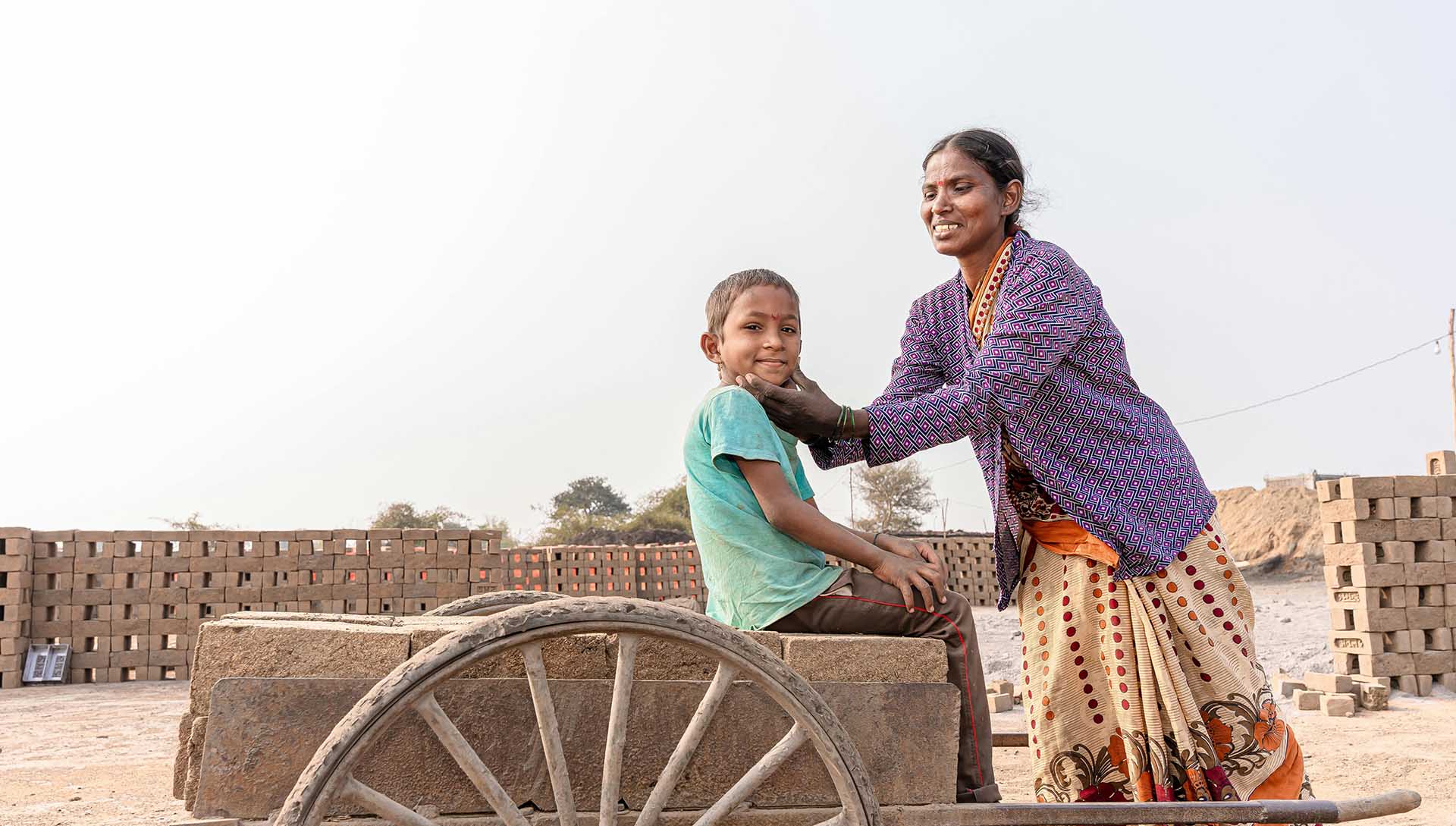
Why valuing unpaid work is essential to women’s health, dignity, and economic progress.
Every morning before sunrise, Sita wakes to a world still asleep. She ties her sari tightly, steps into the cool darkness, and walks to the handpump at the edge of her village. The handle creaks as water fills her brass pot—twenty litres that must be carried home, balanced on her head. By the time the village rooster crows, she has swept the floor, lit the stove, and served breakfast.
At ten, she walks to her Self-Help Group (SHG) meeting, hands still smelling faintly of ash and soap. Someone asks softly, “What do you do?” She smiles. “I don’t work,” she says. “I only take care of the house.”
That sentence has never felt small to me. I’ve heard it in villages across India—spoken with modesty, shaped by history. It carries generations of invisible labour: women’s time, strength, and care that sustain homes and communities yet remain uncounted.
The Work without a Name
Cooking, cleaning, fetching water, caring for children and elders—this is work. Hard, unending, vital work. Yet because it happens inside homes, it doesn’t appear in statistics or salaries.
According to the ILO 2023 World Employment and Social Outlook, women spend 2–10 times more time than men on unpaid care. India’s Time Use Survey 2024 reveals women devote over 7 hours a day to unpaid domestic and caregiving tasks, compared to men’s 2.5 hours. That’s time stolen from rest, education, and paid livelihood.
In every rural lane, this imbalance shapes life quietly. Women eat last. They sleep least. They postpone health visits because someone else’s needs always come first. When unpaid care consumes entire days, nutrition, education, and income all begin to fray.
The Moment that Changed Everything
I met Laxmi under a banyan tree in Bihar on a hot afternoon. Her baby slept against her hip as she stirred rice over a fire. “I wake up working,” she said. “By nightfall, tomorrow already waits.” She smiled—but it wasn’t pride; it was endurance.
Back at my desk, her words echoed as I reviewed NFHS-5 data showing that children of time- poor mothers face up to 30% higher stunting risk. Malnutrition, I realised, doesn’t begin with hunger. It begins with exhaustion.
When Care is Carried Alone
I’ve seen it firsthand. A tired mother rushes her child’s feeding; a pregnant woman skips her own meal; an old grandmother ignores her medicines. Time poverty quietly undermines care.
But when care is shared—even a little—change comes fast. When men fetch water, when neighbourhoods build shared kitchens, when SHGs rotate childcare, health improves. Programmes that merge Jal Jeevan Mission water access with POSHAN 2.0 nutrition services have shown a 10% improvement in maternal BMI within six months. When women gain time, families gain strength.
Where Hope Takes Root
In SHG meetings across India, I’ve watched hope surface through laughter and confession. Women begin talking not just about savings, but about their bodies, fatigue, and time. Out of that honesty come simple, profound solutions—taking turns at childcare so one can attend a meeting, requesting piped water, or starting a community kitchen.
Through the National Rural Livelihoods Mission (DAY-NRLM), more than 10 crore women are now part of these groups. Each gathering is a quiet revolution. When care is collectivised, exhaustion gives way to possibility. Every small win—a tap closer to home, a shared lunch cooked together— is a piece of dignity returned.
Reimagining the Care Economy
To truly reimagine the care economy, we must treat women’s time as measurable and valuable. Every infrastructure decision—whether it’s water, energy, sanitation, or childcare—should start with the question: How much time will this save for women?
The Kerala Gender Champion Initiative engages men as co-carers, not helpers. The Time Use Survey (MoSPI, 2024) now helps map the unpaid care burden to inform budgets. Globally, the IMF 2023 Care Economy Report found that each dollar invested in care infrastructure can yield up to $7 in economic returns through jobs and productivity.
These are not social add-ons—they are the foundation of an inclusive economy. Recognising care means designing public systems that return hours, restore rest, and reward contribution.
A Recognised Beginning
I met Sita again last month. The same woman who once said, “I don’t work.” She laughed when I reminded her. “I still care for my family, but now I also manage our SHG records and help other women apply for water connections. My daughter wants to study nursing,” she says.
Her life hasn’t become easier overnight. The work continues—but now, it has a name. Recognition has shifted something invisible within her.
That is what transformation looks like. A woman who once whispered “I don’t work” now stands taller, claiming value in what she has always done. When care is seen as work, time becomes freedom. Freedom becomes voice. And that voice— patient, persistent, unstoppable—reshapes not just families, but the future itself.
The author is Dr Preeti Khanna, Manager, Intersectoral Convergence – Health & Nutrition, PCI India