
Subsidies vs. Enterprise: India’s Balancing Act for Inclusive Growth
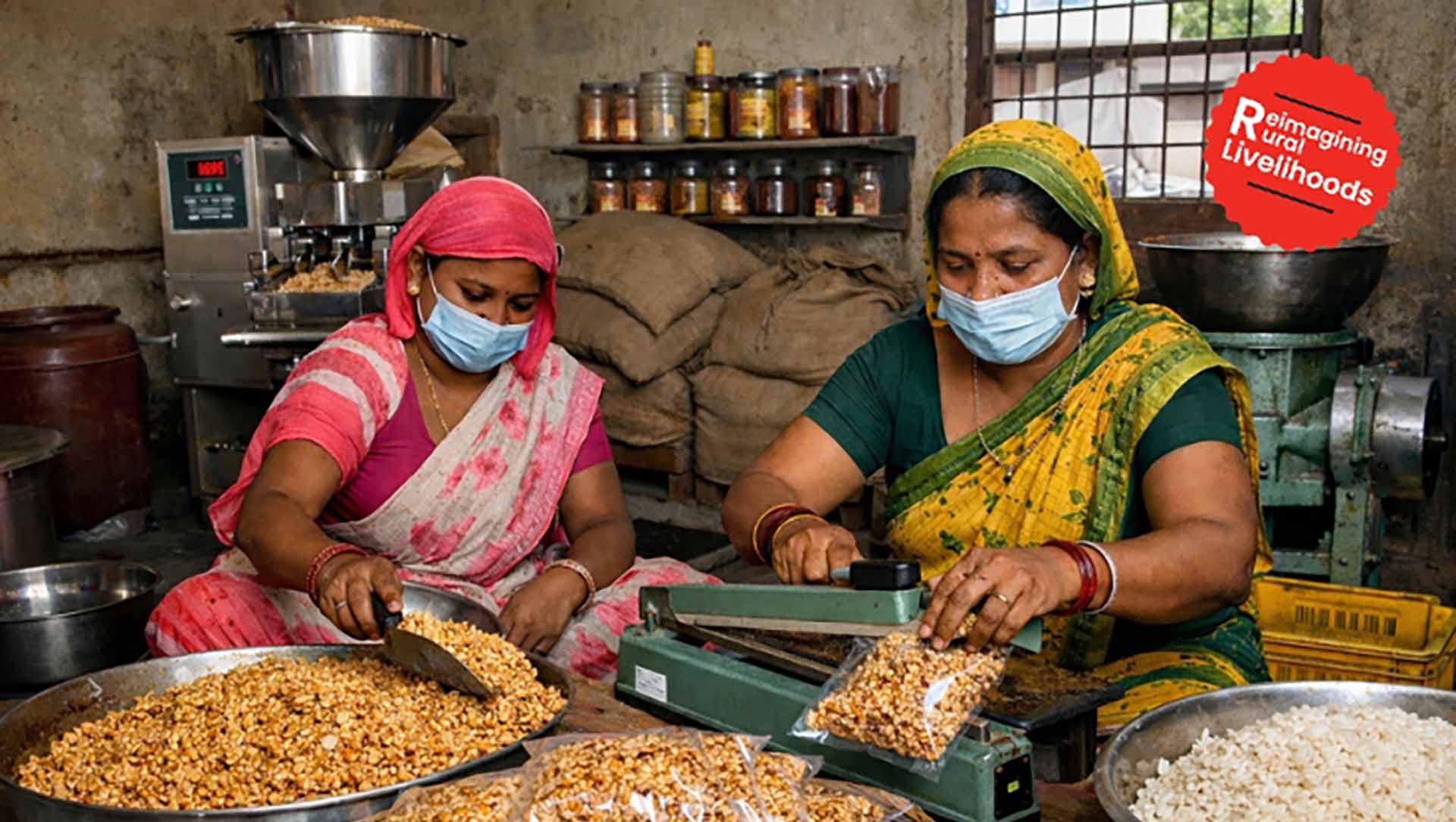
India’s subsidy-led welfare system has been vital for social protection, but without stronger alignment to enterprise and innovation, it risks constraining productivity, fiscal resilience, and long-term growth.
To mitigate severe energy costs beyond affordability of common Indians, the second Five Year Plan (1956-61) introduced the first government subsidy on kerosene. Continuing its essential pro-poor and welfare-oriented approach in an emerging nation, India gradually expanded public spending on welfare and social protection measures, which in recent decades have evolved into Direct Benefit Transfers (DBTs) and a diverse range of social support schemes.
Let us indulge in some reflection on how India has balanced social welfare to growth propulsion by analysing few examples supporting the economically marginalised, vulnerable and weaker sections in the country.
A Crucial Balancing Act: Welfare and Fiscal Prudence
India’s expanding subsidy regime remains central to the social protection, yet it can constrain fiscal and productive growth when not adequately aligned with enterprise development. In FY 2025–26, the Union Government earmarked INR 4.26 lakh crore (1.19% of GDP) for subsidies, its lowest share in six years, still a significant outlay amid rising debt servicing, which currently exceeds INR 11 lakh crore annually.
With nearly 60% of India’s population living in rural areas, extensive agricultural subsidies continue to play a vital role. However, some forms of input support can unintentionally distort input markets, if not complemented by innovation and sustainability measures. For example, Fertilizer subsidies estimated at INR 1.39 lakh crore in 2025 have encouraged excessive urea use, leading to soil degradation and declining yields, as highlighted by the Commission for Agricultural Costs and Prices in October 2025. Similarly, free or subsidised electricity for irrigation, exceeding INR 6,500 crore annually, has entrenched inefficiencies and groundwater depletion rather than fostering sustainable power solutions and slowing decentralised renewable energy (DRE) transition. Aligning these subsidies with green innovation and local enterprise can ensure both productivity and ecological balance.
Strengthening Enterprise-led Growth
The Micro, Small and Medium Enterprises (MSMEs) sector, employing around 120 million people, receive approximately INR 70,000 crore in credit and subsidy packages annually. However, less than 25% translate into lasting enterprise growth due to limited innovation and market access, thereby failing sustainable livelihood. Yet, the rural entrepreneurship data show significant potential; digital inclusion and renewable projects can generate resilient livelihoods and curb migration, if sufficiently backed by policy-linked capital investment and training.
Urban Resilience through Productive Welfare
For the urban poor, the absence of enterprise-based livelihood models exacerbates vulnerability. About 34% of the population resides in urban informal settlements, relying heavily on food, LPG, and cash transfers, but the basic habitat and sanitation facilities which are crucial are still lacking. While the social subsidies measures shields urban poor from the raising inflation, they still have limited fiscal space for green-skill missions, supportive infrastructure-habitat access and micro-enterprise credit. Redirecting a portion of social spending towards enterprise-based growth initiatives can amplify the long-term impact of welfare, creating jobs in greener, climate resilient sectors projected to add over 20 million new jobs by 2030.
From Subsidy dependence to Enterprise Empowerment
Unchecked reliance on subsidies is weakening fiscal resilience and innovation. India’s next growth leap lies in reframing welfare as platform for enterprise transforming short term support to long-term poverty alleviation. Targeted enterprise investment in renewable micro-grids, digital services, and agro to agro-waste processing can multiply rural incomes two- to three-fold, as evident from small but critical pilots across the country. Subsidy rationalisation integrated with enterprise-linked public & private investment can actually convert short-term welfare spending into sustainable asset creation, essential for fiscal stability, innovation, market expansion & stability and inclusive growth.
India stands at a strategic inflection point, there is need for changing gears for climate action/resilience, integrating market led skills, DRE and entrepreneurship strengthening approaches under fiscal framework and combined industry-CSR-private sector investments. It is the time for transition from consumption-based welfare to production-led growth that empower people not only as beneficiaries but as active contributors to India’s sustainable future.
The author is Shantamay Chatterjee, Director – Livelihood with WEE, PCI India, and this is part of his blog series titled “Reimagining Rural Livelihoods: From Subsistence to Sustainability”.