
It Takes a Village
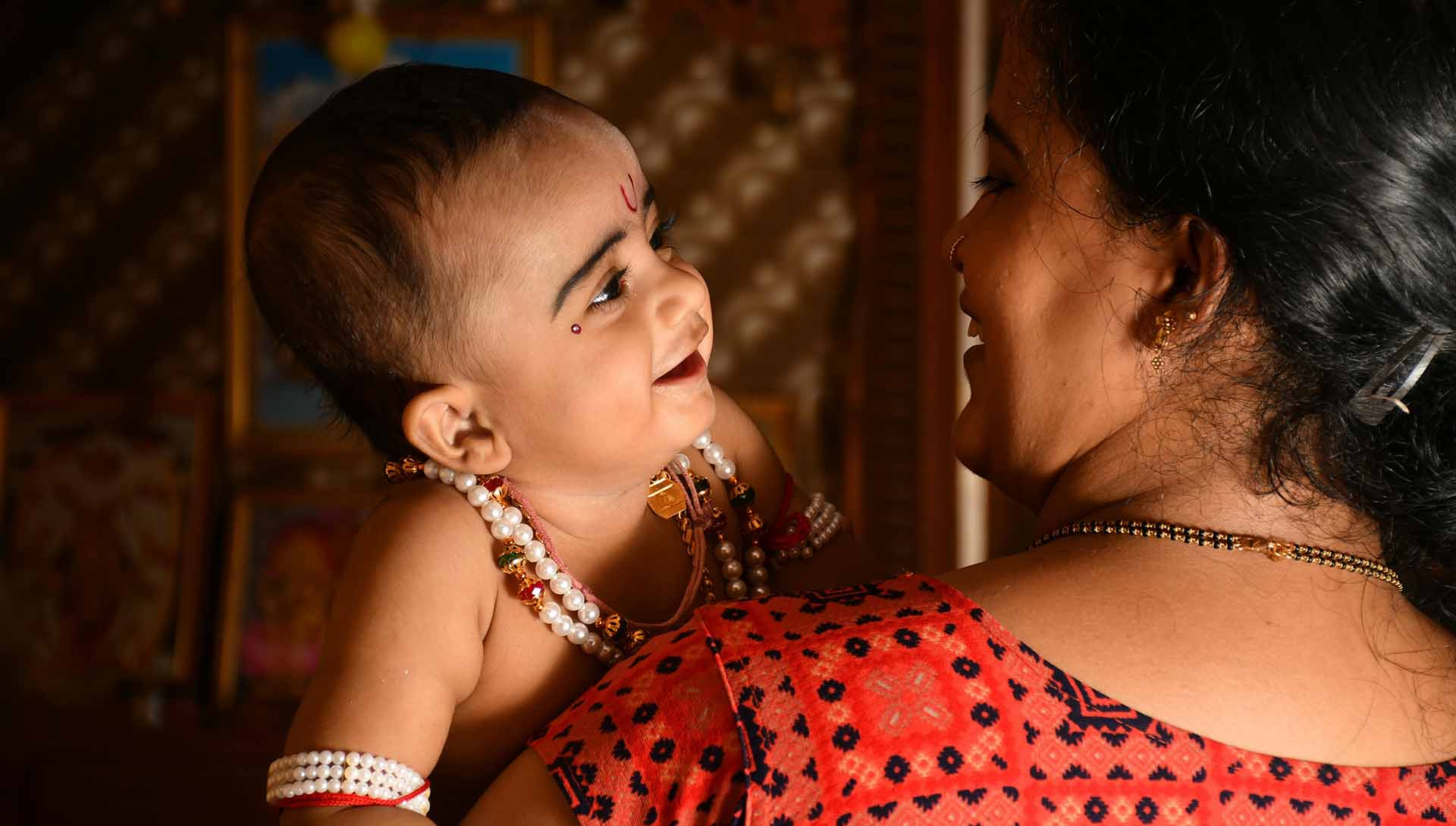
Why SHG women are uniquely positioned to strengthen Early Childhood Care and Education (ECCE) and what investment is needed to unlock their potential.
A few months ago, during a field visit, I met Sita Devi, a young mother from a small village. With her two-year-old son on her hip, she worked to finish her daily wage labour. She said softly, “Didi, if I had someone to look after him for just a few hours, I could work without fear.“
Her words stayed with me.
Sita is not alone. Across rural India, countless mothers juggle work, childcare, household duties, and a constant worry—whether their children are growing well, eating enough, and learning enough. For many, this isn’t just an inconvenience; it’s a barrier to economic independence, health, and dignity. Yet in countless villages, a solution already exists, waiting to be strengthened and formalised.
Self-Help Group (SHG) women are naturally aligned with Early Childhood Care and Education (ECCE)
Here’s Why:
- They Already Carry Community Trust
Every village has that one woman whom everyone trusts—someone who listens, mediates, and stands firm in tough times. SHG networks are full of such women. Trust is the foundation of effective childcare, and these women already possess it in abundance.
Think about whom mothers confide in with their deepest concerns about their children. It’s rarely a distant government official; it’s the neighbour who has earned their respect through consistency, care, and cultural understanding. SHG women are those neighbours. They sit with families through crises, celebrate milestones, and understand the unspoken needs of their communities in ways that outsiders simply cannot.
- Empathy Rooted in Lived Experience
SHG members intimately understand the challenges of motherhood in resource-constrained settings. They know what it means to leave a crying toddler behind, to cook while a baby tugs persistently at their sari, to worry about nutrition when budget is tight, and to wonder if their child is developing “normally.”
This empathy leads to practical, compassionate solutions—something training alone cannot teach. A curriculum or manual can explain what to teach; lived experience teaches how to care.
- Proven Track Record as Community Health and Livelihood Workers
The evidence is already in the field. From Bank Sakhis managing village finances to Pashu Sakhis improving livestock health, from Poshan Sakhis strengthening nutrition to NRLM facilitators building livelihoods—SHG women have repeatedly demonstrated their ability to take on specialised, accountable roles that require community trust and technical competence.
Whether it’s reminding mothers about immunisations, connecting malnourished children to health workers, or encouraging early play and stimulation, SHG women bring essential services closer to families—bridging the gap between policy and practice. They are already doing parts of ECCE work; extending their formal leadership into comprehensive ECCE is a natural, evidence-backed next step.
How SHG Women Can Strengthen ECCE: A Vision in Action
- As Community-Based Caregivers – SHG women can become trusted, community-based anchors for childcare, nutrition, and early learning. Their deep knowledge of local families enables them to provide warm, culturally rooted care that respects family values and traditions—whether by running community crèches, supporting and strengthening Anganwadi Centres, or advising parents on early stimulation, feeding, hygiene, and developmental milestones.
- As Learning Facilitators – They can organise playgroups, storytelling sessions, and toy libraries that transform learning from a formal, intimidating process into something joyful and embedded in everyday life.
- As Health and Nutrition Monitors – As natural mobilisers with family access, SHG women can help track child growth, identify developmental concerns early, and ensure families access essential health services.
- As Bridges Between Households and Systems – By connecting families with frontline workers (ASHA workers, ANM, health centres, school enrolment systems), SHG women can facilitate better access to services.
What Will Help Them Flourish: An Investment Case
To unlock this potential and scale impact, we must invest strategically:
- Tailored, Modular ECCE Training
SHG women don’t need university degrees in early childhood development. They need practical, context-specific training that builds on what they already know. Modular curricula on child nutrition, play-based learning, developmental milestones, basic health and hygiene, and positive discipline can be delivered through short, local training cycles that fit into their busy schedules.
- Improved Convergence Between Systems
NRLM (for women’s livelihoods), ICDS (Integrated Child Development Services), and health systems often work in silos. Formalising SHG women’s role in ECCE requires these systems to align—sharing resources, coordinating training, and creating incentive structures that reward quality childcare outcomes.
- Fair Incentives and Recognition
SHG women’s time and care have value. Whether through performance-based incentives, stipends, or access to credit and livelihood opportunities, communities must acknowledge and reward their ECCE contributions. Recognition through certification, public acknowledgment, and career pathways—where SHG members can transition into formal ECCE roles within schools, health systems, or NGOs—creates dignity and aspiration.
- Supervision and Accountability
With training and support come accountability mechanisms. Regular supervision, peer learning forums, and simple monitoring systems ensure quality and continuous improvement while preventing misuse or negligence.
The Villages We All Want to See
When I think back to Sita Devi, I imagine a different future:
She walks into a cheerful, clean crèche run by two confident SHG Didis—women she trusts completely. Her son is greeted with warmth, settled into play with other children his age, and offered a nutritious snack. Sita leaves his hand in capable hands and walks to work with a smile—no longer with fear, guilt, or the constant anxiety of wondering if he is safe.
SHG women are not just part of the ECCE solution—they are the solution.
The question isn’t whether they can do this work. The evidence is already there—in the fields, in the villages, in the lives they’ve already changed. The question is: Will we invest in them? Will we strengthen them? Will we recognise the power they already hold?
Let’s build that community together.
The author is Dr Preeti Khanna, Manager, Intersectoral Convergence – Health and Nutrition, PCI India