
Beyond Training: Lessons from Udyamita
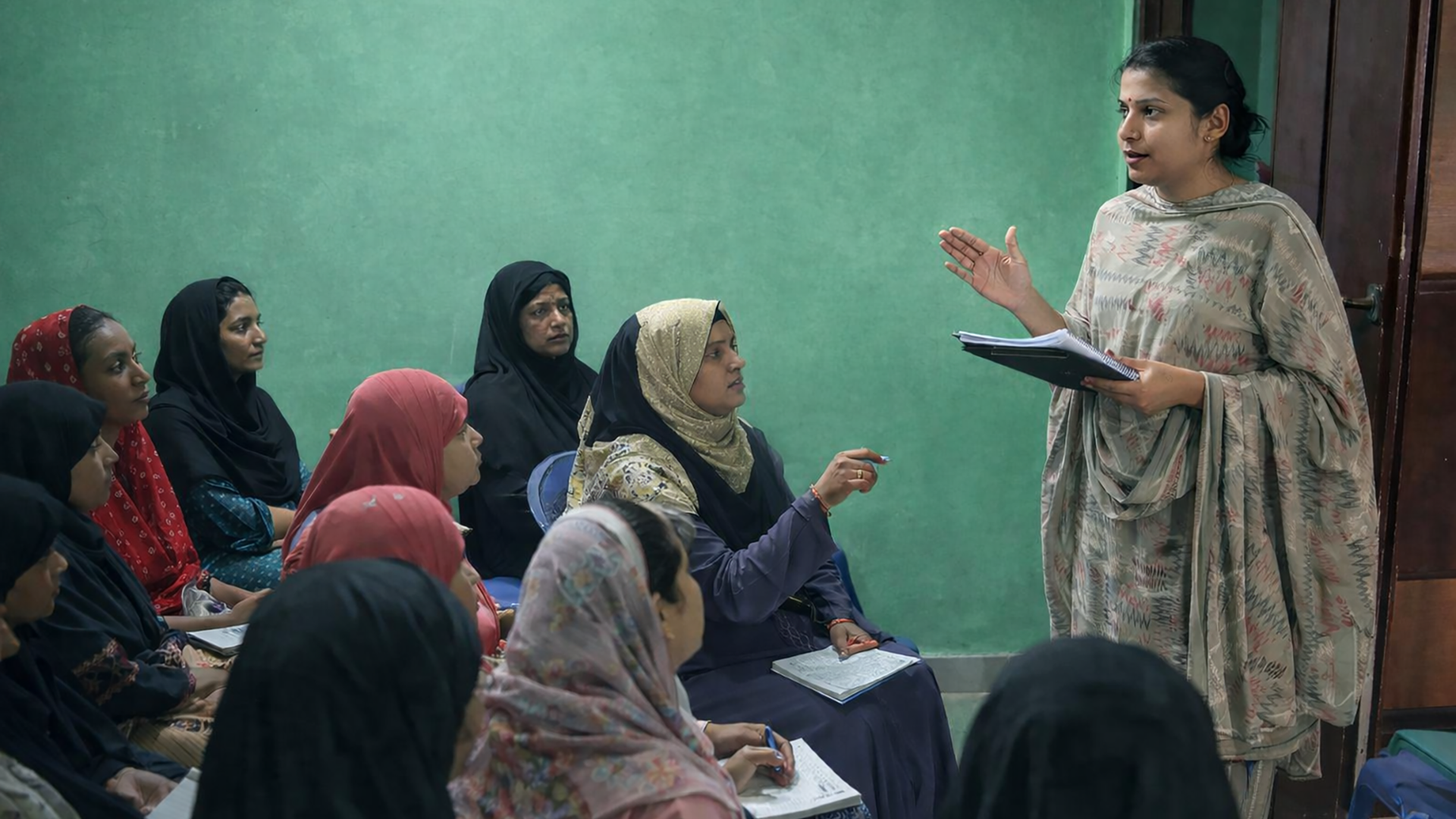
Entering the World of Women’s Entrepreneurship
I joined Project Concern International (PCI) India as a coordinator after my maternity break. It was a new beginning for me. I entered the development sector inspired, but very soon I understood the reality of women’s entrepreneurship and my own place within it.
Understanding the Context: Challenges Before and Beyond the Pandemic
The challenges women entrepreneurs face are not new, and they did not begin with the pandemic. Long before COVID, women were already navigating systems that made growth difficult even as national and state policies increasingly recognised the importance of women-led enterprises. Most relied on personal savings or informal borrowing, investing whatever little they had into their businesses. Their products were made with skill and care, but access to markets was limited. Systems felt complex; information was scattered, and opportunities felt distant emphasising the need for stronger connections between policy intent and everyday access.
The pandemic only exposed what already existed.
When livelihoods were disrupted, women adapted and continued working under pressure. Their resilience was visible, but so were the gaps — lack of structured support, limited formalisation, and minimal handholding. Even after the pandemic, these barriers remained. Watching this up close made me realise that inspiration alone was not enough. Understanding the system, and working within it patiently, mattered more.
One Entrepreneur, Many Shared Realities
One entrepreneur’s journey reflects this larger reality. She knew the craft well, but scaling felt out of reach. Pricing, branding, digital marketing, licensing, and compliance were unfamiliar areas that feature prominently in enterprise development frameworks but often require guided exposure to navigate with confidence. Balancing business responsibilities with household work, childcare, and family expectations left little space to think about growth. Yet the entrepreneur continued, because the income was essential. Stopping was never an option.
Continuity Matters More Than Training
Through the Udyamita programme, I met many such entrepreneurs-and as I worked with them, I began to learn alongside them. Some needed customers. Some needed safe spaces to work. Entrepreneurship training itself was not new; many programs had come and gone. What stood out in Udyamita was continuity. Support did not end with short training, and neither did my learning.
We stayed connected. We followed up. At times, we had to push—ensuring bookkeeping was practiced; formalisation steps were completed, and basic systems were adopted. These were not quick wins. Building habits takes time. Not every effort succeeded, but each effort built momentum. Through this process, I learned that change does not come from one-time interventions, but from consistent presence — an approach increasingly recognised as central to enterprise sustainability.
For many entrepreneurs, the core challenge was not lack of ability, but lack of access. Customers mattered more than online visibility. Safe and dignified workspaces mattered more than motivation sessions. In male-dominated households, business decisions were often questioned, affecting confidence. Products were good, but without branding and labelling, they struggled to find their place in the market. Seeing this repeatedly shaped how I approached my role—with more patience, clarity, and purpose underscored the value of policy approaches that integrate social context with economic opportunity.
Most entrepreneurs worked alone, without mentors or teams. Digital tools exist. Government schemes were available. Financial institutions and NGOs were present. Yet navigating these systems felt overwhelming. Many women were not focused on scaling—they were focused on sustaining their livelihoods. Paying school fees, managing EMIs, and ensuring daily stability comes first. Recognising this helped me move beyond expectations and work with entrepreneurs where they were, not where systems expected them to be.
Small Shifts, Lasting Impact
Through Udyamita’s Entrepreneurship Development Programme, gradual but meaningful shifts began. Entrepreneurs started moving from informal to formal practices. Registration and documentation felt heavy at first, but each step built confidence and credibility. Training around branding, pricing, and local market strategies opened new possibilities. Schemes that once felt inaccessible became usable with the right guidance.
Just as Udyamita supported entrepreneurs, it also shaped me. I learned that support must be non-judgmental. That belief grows through trust. That thriving—whether for an entrepreneur or a professional—comes from being part of something that creates real change.
Today, many businesses may not be fully scaled, but they are more stable and intentional. Entrepreneurs are more aware, more confident, and better equipped to make decisions. Walking this journey with them helped me find my own footing, confidence, and growth after a major life transition.
This is what Udyamita truly represents—for the entrepreneurs, and for me.
New hope is not promised.
New beginnings are earned every day.
And real change lies not in returning to old systems, but in building better ones—together.
The author is Lakshmi R, Programme Coordinator – Udyamita at PCI India