
Walking Through Waste, Walking Towards Hope
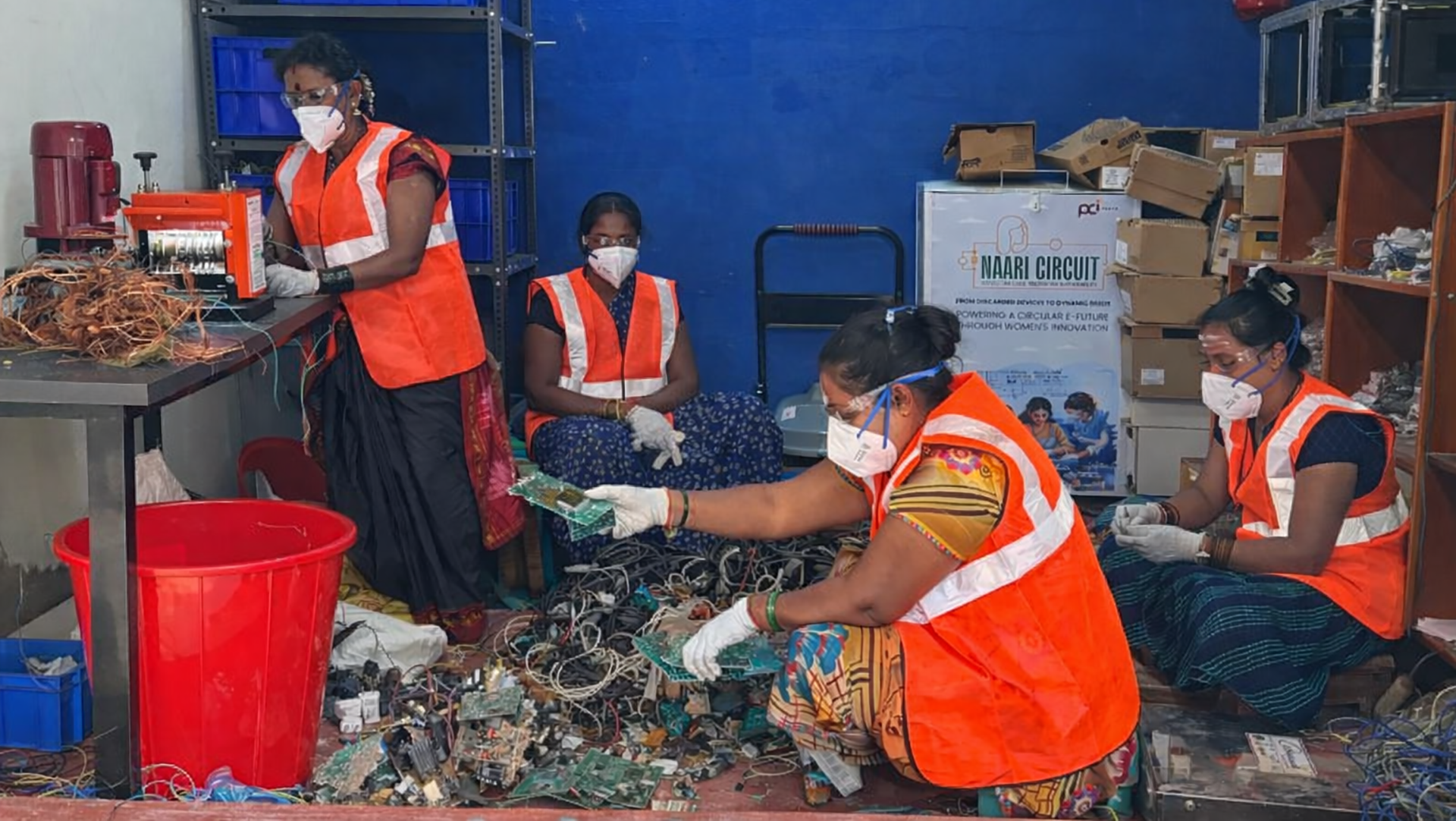
Stories from the lanes that the cities have forgotten
The first time I stepped into Cement Colony in Bengaluru, a question hit me like the smell in the air: “How can people live like this?” The lanes were so narrow I had to walk sideways. The ground was wet—not with rainwater, but with a mixture of sewage, drainage, and leaked waste. Smoke from burning plastic drifted through the settlement like a permanent fog.
And yet—children played here. Women worked here. Life happened here.
Not because they chose this. But because they had nowhere else to go.
That day, I wasn’t just entering a neighbourhood. I was entering a world most people will never see—and many wouldn’t believe exists in the heart of Bengaluru. And the harder reality is that this isn’t limited to Bengaluru; it’s true across most metro cities in India.
Hands that Tell a Thousand Stories
You can understand a waste worker’s life just by looking at her palms—red, cracked, peeling. Burnt marks from handling wires. Small cuts from rusted components. Fungal patches that no cream seems to heal.
But these women don’t complain. On the contrary, they joke about it sometimes. Their hands tell the truth though.
One woman held out her palm and laughed, “Akka, see. My hands are also doing recycling!” Another one whispered, “After sorting waste for 15 years, this is the colour of my skin. I don’t remember my original skin colour.” It felt like they were trying to keep the mood light—but nothing about their reality is light indeed.
Most of them survive on tea until evening because their hands are too dirty to eat food.
Some cough through the night but work through the day.
One mother said something that sits inside me like a weight: “Madam, breathing is difficult. But stopping is impossible. Hunger works faster than disease.”
The Path to Nadhiya’s House
To meet Nadhiya, a community leader in Cement Colony, I had to walk over an open drainage channel. Not beside it. Over it. The only “bridge” was a narrow plank of metal scrap the residents had placed themselves. Every step felt like a test. The smell was unbearable. The mosquitoes formed a cloud around me.
But for the families living there, this was the everyday route—to work, to school, to buy groceries.
As I walked, the thought struck me: “If this is the path to their homes, what must the path to their dreams look like?”
In these communities, death is not an event it’s a routine update.
“Last week one boy died, Akka.” “This week an old man.” “Next week… maybe someone else.” They say it with the same tone we use to talk about the weather. Every 10–15 days, someone is lost—to illness, overdose, respiratory failure, electrical accidents, or scrapyard injuries.
But life continues, so does Work – survival never pauses.
Lost Boys: The Silent Emergency
The most heartbreaking part of my journey has been watching adolescent boys—aged 14 16 years—slipping into addiction. They inhale substances to escape their reality. They hang around scrapyards with plastic bottles filled with chemicals. They watch their mothers break their backs, but they feel too broken to help.
A mother once told me, tears pooling in her eyes: “Akka, I am fighting with waste all day. My son is fighting with his mind all night.” How do you console someone like that?
Where Hope Begins
In the middle of all this struggle, something magical happens when we speak about Naari Circuit and E-Rozgar to women – a gleam of hope lies in their eyes. These are women who want a different tomorrow. They see a brighter future in:
- Safe handling of e-waste
- Higher income
- Dignified workspaces
- Digital payments
- Entrepreneurship
- Skills
- Identity documents
- A path out of dangerous scrap work
The women sit closer. Their eyes sharpen. Their children stop playing and start listening. Some women wipe their palms on their sarees before shaking mine.
They tell me: “Akka, if this model succeeds, our children will not enter waste. They will enter school.”
That one sentence is enough to keep me going.
Being a community mobilizer is not a job. It is a responsibility, a relationship, and more than anything, it’s a promise.
It is standing in the smell, the smoke, the sewage—not because you have to, but because they don’t deserve to stand there alone.
It is telling women who have been ignored all their lives: “Your work matters. Your voice matters. Your dreams matter.”
Every time I leave these settlements, I carry stories with me—stories of suffering, yes, but also of courage that refuses to break. The women who live amidst waste are building dreams cleaner and brighter than the city they serve. Through E-Rozgar, we are planting seeds of dignity, respect, safety, and hope. And one day, I believe each of them will be able to say: “My life changed because someone finally believed I deserved better.”
The author is Savitha B. S., Community Mobilizer & Trainer, E-Rozgar – Naari Circuit, PCI India